
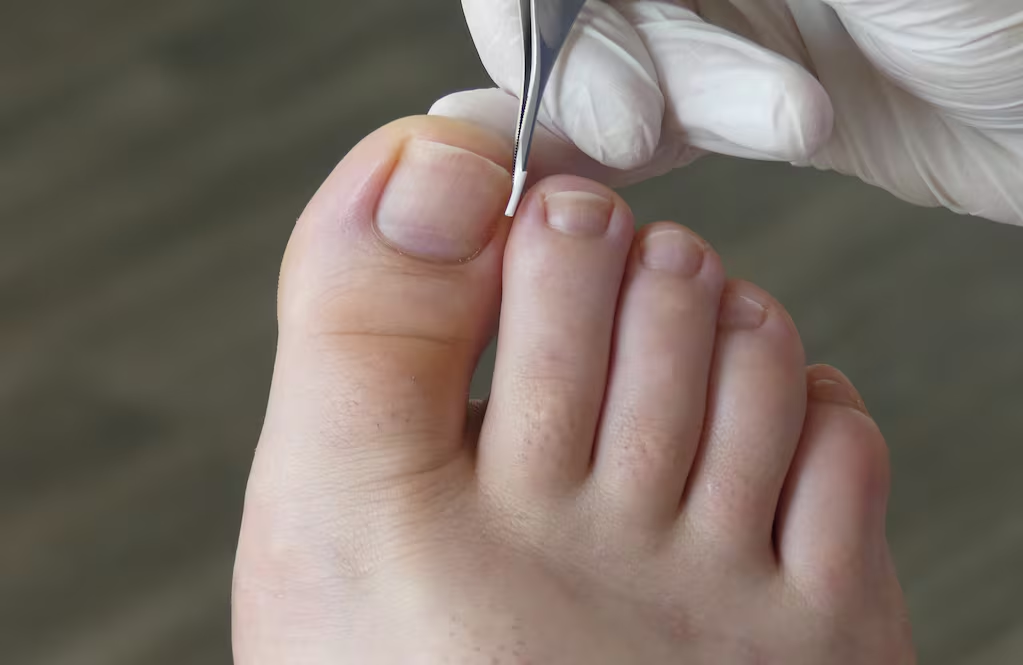
An ingrown toenail can turn every step into a painful ordeal. If you live in Ranelagh or the surrounding South Dublin area, you know how frustrating it is when a simple nail problem stops you from walking comfortably. The good news is that most ingrown toenails are preventable. And if you have already had treatment, proper aftercare makes all the difference in stopping the problem from coming back. This post covers why ingrown nails develop, how to prevent them, and exactly what to do after treatment to ensure lasting results.
What causes ingrown toenails?
Ingrown toenails develop when the edge of the nail grows into the surrounding skin. This creates pressure, inflammation, and often significant pain. Understanding the causes helps you avoid them.
Poor cutting technique is the most common cause. Cutting nails too short, rounding the corners too much, or leaving a sharp edge creates a spicule. This tiny spike of nail then digs into the soft tissue as the nail grows forward. Many people cut their nails the same way for years without realising it is causing the problem.
Footwear friction plays a major role too. Shoes that are too tight, too narrow, or too shallow press the nail into the skin repeatedly. Over time, this constant pressure pushes the nail edge inward. Running shoes, work boots, and even fashionable narrow-toed shoes can all contribute.
Natural nail shape matters as well. Some people have nails that naturally curl more than others. This involuted shape means the nail edges are already close to the skin, making problems more likely even with good cutting habits. Genetics and ageing both influence nail curvature.
What are the symptoms of an ingrown toenail?
The first sign is usually tenderness along the edge of the nail. You might notice redness where the nail meets the skin. Pressing on the area feels sore, and tight shoes make it worse.
As the nail digs deeper, the pain increases. The toe may swell and feel warm to the touch. Walking becomes uncomfortable, especially when pushing off. Some people describe a throbbing sensation even at rest.
If infection develops, you may see pus or discharge. The redness spreads beyond the immediate nail edge. The pain becomes constant rather than just with pressure.
Do not wait until infection sets in. If you have had pain along your nail edge for more than a few days, or if the area looks red and swollen, it is time to see a podiatrist. Early treatment is simpler and faster.
How are ingrown toenails treated at Foot Focus Podiatry?
Every patient at Foot Focus receives a thorough assessment from a CORU-registered podiatrist. This includes examining the nail shape, checking for infection, and understanding how the problem developed.
Conservative treatment works for most cases. The podiatrist cleans the area with antiseptic and carefully removes the offending spicule. This small piece of nail causing all the trouble comes out, and relief is often immediate. Around 80% of ingrown toenails resolve with this approach alone. A single appointment is usually enough, though follow-up may be recommended.
Nail surgery is offered when conservative treatment has not achieved lasting results, or when the nail is severely curved. Local anaesthetic is injected into the toe, numbing it completely. The procedure is pain-free. The podiatrist removes only the problematic section of nail and applies a chemical to the nail bed. This stops that section from regrowing permanently. Follow-up appointments ensure full healing.
Both approaches focus on solving the problem, not just managing symptoms. You can find out more about how we treat ingrown toenails at our Dublin clinics on our ingrown toenail page.
What patients in Ranelagh are asking about ingrown toenails
Q: How do I cut my toenails to prevent ingrown nails?
A: Follow the natural curvature of your nail rather than cutting straight across or rounding deeply into corners. Do not cut too short or too far down the sides. Always file the edges smooth afterwards so no sharp points remain. Cut nails when they are softer after a bath or shower for a cleaner cut.
Q: Can I exercise after ingrown toenail treatment?
A: Light activity is usually fine within a day or two of conservative treatment. After nail surgery, keep the toe protected and avoid running or sports for about two weeks. Your podiatrist will give you specific guidance based on your procedure and healing progress.
Q: Will my ingrown toenail come back after treatment?
A: Conservative treatment removes the immediate problem, but the nail may grow in again if the underlying cause remains. Nail surgery prevents regrowth of the affected section permanently. Good cutting technique and proper footwear significantly reduce recurrence risk either way.
Q: Do I need a GP referral to see a podiatrist for ingrown toenails?
A: No referral is needed. You can book directly with Foot Focus online or by phone. Podiatrists are primary care practitioners for foot conditions, so you can come straight to us for assessment and treatment.
When should you see a podiatrist in Dublin?
Book an appointment if pain along your nail edge has lasted more than a few days without improving. See a podiatrist promptly if you notice redness spreading beyond the immediate nail area, any discharge or pus, or if the pain is affecting how you walk.
Do not attempt bathroom surgery with scissors or nail clippers. Cutting at home often makes things worse and increases infection risk.
If you have had ingrown toenails before and they keep returning, a podiatrist can identify why and provide a lasting solution. Patients in Dublin 14 and Dublin 11 can book online at footfocus.ie or call our Finglas or Mount Merrion clinic directly.
CONCLUSION: Ingrown toenails are painful but highly treatable when approached correctly. Prevention comes down to proper nail cutting, good footwear, and knowing when to seek professional help. As one of Dublin’s largest podiatry providers, Foot Focus offers same-week appointments for nail problems. Book online at footfocus.ie or call us at our Finglas or Mount Merrion clinic to get the care you need.